
Delve into the world of home automation alarm systems designed to elevate your living experience. From enhancing security to integrating seamlessly with smart devices, this guide covers everything you need to know for a smarter, more convenient home.
Types of Home Automation Alarm Systems
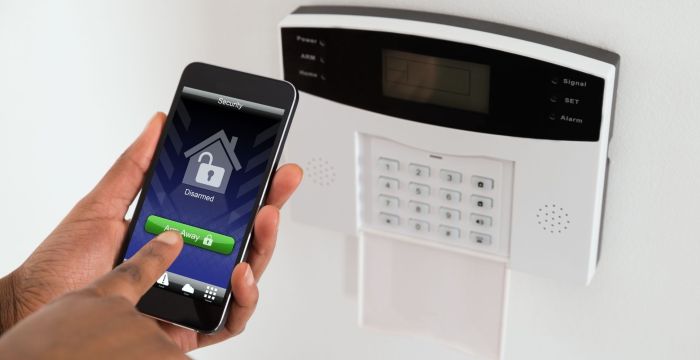
Home automation alarm systems come in various types, each offering unique features and benefits to enhance the security of your home.
Wired vs. Wireless Home Automation Alarm Systems
When it comes to choosing between wired and wireless home automation alarm systems, there are several factors to consider.
- Wired Systems:These systems require cables to connect the various components of the alarm system. They are typically more reliable and less susceptible to interference compared to wireless systems. However, installation can be more complex and may require professional help.
- Wireless Systems:Wireless alarm systems use radio frequency signals to communicate between components. They are easier to install, making them a popular choice for DIY enthusiasts. However, they may be more prone to interference and hacking compared to wired systems.
DIY vs. Professionally Installed Home Automation Alarm Systems
Deciding between a DIY home automation alarm system and a professionally installed one also involves weighing the pros and cons.
- DIY Systems:DIY alarm systems are typically more affordable and offer the flexibility to customize and expand the system as needed. However, they may lack the advanced features and reliability of professionally installed systems.
- Professionally Installed Systems:Professionally installed systems are installed and monitored by experts, ensuring optimal performance and reliability. While they may come at a higher cost, they offer advanced features and round-the-clock monitoring for added peace of mind.
Key Features to Look for in Home Automation Alarm Systems
When choosing a home automation alarm system, there are several key features to consider that can enhance the security and convenience of your smart home setup.
Motion Sensors, Door/Window Sensors, Cameras, and Smart Locks
- Motion Sensors: These sensors detect movement in your home and can trigger alarms or notifications when unexpected activity is detected.
- Door/Window Sensors: Essential for monitoring entry points, these sensors can alert you when doors or windows are opened or closed.
- Cameras: Video surveillance cameras provide live feeds and recordings of your home, allowing you to monitor activities remotely and review footage in case of incidents.
- Smart Locks: These locks can be controlled remotely, allowing you to lock or unlock your doors from anywhere using a smartphone app.
Importance of Remote Monitoring and Control
Remote monitoring and control capabilities are crucial in modern home automation alarm systems as they allow you to keep an eye on your home and make adjustments from anywhere in the world. Whether you want to check in on your home while you’re away or grant access to visitors, remote control features provide convenience and peace of mind.
Integration Capabilities with Other Smart Devices
Home automation alarm systems that can integrate with other smart devices, such as voice assistants like Amazon Alexa or Google Assistant, and smart thermostats, offer a seamless connected experience. By integrating your alarm system with other smart home devices, you can create custom automation routines and enhance the overall functionality of your smart home setup.
Installation and Setup Process
When it comes to installing and setting up a home automation alarm system, following a step-by-step guide is crucial to ensure proper functioning and optimal security for your smart living space.
Positioning Sensors Strategically
- Place door and window sensors at entry points to detect unauthorized access.
- Install motion sensors in areas with high traffic or valuable belongings to detect movement.
- Consider the range of sensors and ensure they cover the desired areas effectively.
- Avoid placing sensors near sources of interference such as electronics or appliances.
Common Troubleshooting Issues and Solutions
- Issue: Sensors not detecting motion or activity.
- Ensure sensors are properly installed and positioned for optimal coverage.
- Check for any obstructions blocking the sensor’s view.
- Issue: False alarms triggered frequently.
- Adjust sensor sensitivity to avoid false triggers.
- Check for any pets or moving objects that may be causing false alarms.
- Issue: Connectivity problems with the central hub.
- Ensure the hub is placed in a central location for better connectivity.
- Check the Wi-Fi network strength and troubleshoot any network issues.
Smart Living Benefits with Home Automation Alarm Systems
Home automation alarm systems offer a range of benefits that enhance convenience, security, energy efficiency, and cost savings for homeowners. These systems are designed to provide peace of mind and simplify daily life through automation and smart technology.
Enhanced Convenience and Security
- Smart living with home automation alarm systems allows homeowners to remotely monitor and control their security settings, such as arming/disarming alarms, locking/unlocking doors, and checking live camera feeds through mobile apps or voice commands.
- Automation features like motion sensors, smart doorbells, and smart lighting contribute to a safer living environment by alerting homeowners of any unusual activity or unauthorized entry in real-time.
Energy Efficiency and Cost Savings
- Home automation alarm systems help in optimizing energy consumption by allowing users to schedule heating, cooling, and lighting based on occupancy detection or time of day, leading to reduced energy bills.
- Integration with smart thermostats, smart plugs, and energy-efficient appliances enables homeowners to remotely manage their energy usage and make adjustments to save money in the long run.
Prevention of Security Breaches and Emergencies
- Real-life examples demonstrate how home automation alarm systems have prevented break-ins, burglaries, and potential emergencies by notifying authorities, sending alerts to homeowners, and triggering alarm responses to deter intruders.
- Integration with smoke detectors, carbon monoxide detectors, and water leak sensors ensures early detection of hazards, allowing for timely intervention and preventing disasters.
Wrap-Up

In conclusion, Best Home Automation Alarm Systems for Smart Living offer a myriad of benefits, from heightened security to increased energy efficiency. Embrace the future of smart living with these cutting-edge systems.
FAQ Section
What are the main types of home automation alarm systems available?
The main types include wired and wireless systems, each with their own set of features and benefits.
What key features should I look for in a home automation alarm system?
Essential features include motion sensors, door/window sensors, cameras, and smart locks for comprehensive security.
How do I install and set up a home automation alarm system?
Follow a step-by-step guide to position sensors strategically and troubleshoot common installation issues.