
Exploring the realm of Connected Homes: How Smart Technology Is Changing Daily Living, this introduction sets the stage for a captivating journey through the impact of smart technology on our daily lives.
Providing insight into the evolution of smart homes and the seamless integration of technology into our everyday routines, this overview aims to inform and inspire readers.
Overview of Connected Homes
Connected homes, also known as smart homes, refer to residences equipped with internet-connected devices that can be remotely monitored and controlled. These devices work together to automate and enhance various aspects of daily living.
Popular Smart Devices in Connected Homes
- Smart thermostats: Devices that adjust the temperature of a home based on the occupant’s preferences and habits, helping to save energy and increase comfort.
- Smart lighting systems: Lights that can be controlled remotely or scheduled to turn on/off at specific times, offering convenience and energy savings.
- Smart security cameras: Cameras that provide real-time monitoring and alerts for potential intruders, enhancing home security.
- Voice assistants: Devices like Amazon Alexa or Google Assistant that can perform various tasks through voice commands, such as setting reminders, playing music, or controlling other smart devices.
Benefits of Having a Connected Home System
- Convenience: With connected devices, homeowners can control various aspects of their homes remotely, making daily tasks easier and more efficient.
- Energy savings: Smart devices can optimize energy usage by adjusting settings based on occupancy or weather conditions, leading to reduced utility bills.
- Enhanced security: Connected cameras and sensors provide real-time monitoring of the home, alerting homeowners to potential threats and deterring intruders.
- Improved comfort: Smart thermostats and lighting systems can create personalized settings that adjust to occupants’ preferences, creating a more comfortable living environment.
Smart Devices for Daily Living
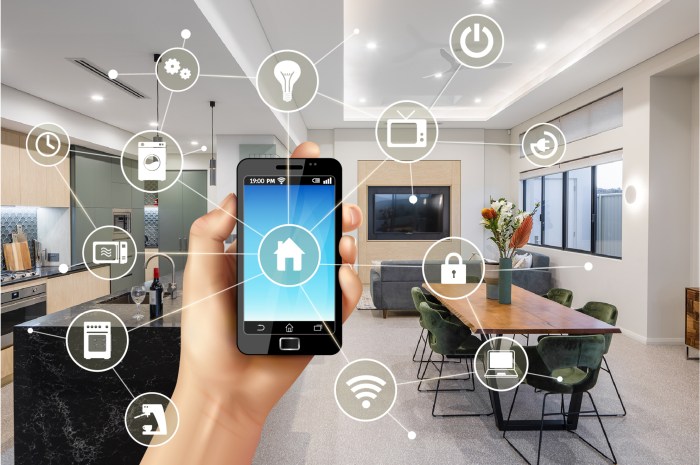
Smart technology has revolutionized daily tasks in connected homes by providing convenience, efficiency, and automation. Traditional home devices have been upgraded to their smart counterparts, offering enhanced functionality and connectivity. Let’s explore how smart devices have transformed daily living.
Enhanced Home Security Systems
Smart security systems like video doorbells and smart locks provide real-time monitoring and remote access, allowing homeowners to control access to their homes from anywhere. These devices offer increased peace of mind and security compared to traditional locks and alarms.
Smart Thermostats for Energy Efficiency
Smart thermostats learn user preferences and adjust temperature settings accordingly, leading to energy savings and improved comfort. By analyzing usage patterns, these devices optimize heating and cooling cycles, reducing utility bills and environmental impact.
Voice-Activated Assistants for Hands-Free Control
Virtual assistants like Amazon Alexa and Google Assistant enable users to control smart devices through voice commands, streamlining daily tasks. From setting reminders to playing music, these assistants enhance productivity and convenience in a connected home.
Smart Lighting Systems for Personalized Ambiance
Smart light bulbs and switches offer customizable lighting options, allowing users to create different moods and settings with ease. By adjusting brightness levels and colors, these devices enhance comfort and aesthetics in living spaces.
Health Monitoring Devices for Wellness Management
Smart health gadgets such as fitness trackers and smart scales help individuals track their physical activity, sleep quality, and overall health metrics. With real-time data and insights, users can make informed decisions to improve their well-being and lifestyle.
Security and Privacy in Connected Homes
Smart home technology has revolutionized the way we live, offering convenience and efficiency like never before. However, with this convenience comes the need to address security and privacy concerns to protect our personal information and ensure a safe living environment.
Common Security Risks Associated with Smart Home Technology
As with any internet-connected device, smart home technology poses certain security risks that homeowners should be aware of:
- Weak Passwords: Using default or easily guessable passwords can make it easier for hackers to gain access to your smart devices.
- Unsecured Networks: Failure to secure your home network can leave it vulnerable to cyber attacks.
- Outdated Software: Not keeping your devices and software updated can leave them susceptible to security vulnerabilities.
- Unauthorized Access: Hackers can potentially access your smart devices and even spy on your activities if proper security measures are not in place.
Best Practices for Securing a Connected Home Network
Protecting your connected home network involves implementing the following best practices:
- Use Strong Passwords: Create unique and complex passwords for each smart device and change them regularly.
- Secure Your Wi-Fi Network: Enable encryption, change default network names and passwords, and consider setting up a separate guest network.
- Keep Devices Updated: Regularly update the firmware and software of your smart devices to patch any security vulnerabilities.
- Enable Two-Factor Authentication: Add an extra layer of security by requiring a secondary verification method for accessing your devices.
How Data Privacy Is Maintained in a Connected Home Environment
Data privacy in a connected home environment is crucial to protect sensitive information. Here are some ways to maintain privacy:
- Review Privacy Settings: Regularly review and adjust the privacy settings on your smart devices to control what data is being collected and shared.
- Secure Data Transmission: Ensure that data transmitted between devices is encrypted to prevent interception by unauthorized parties.
- Limit Data Collection: Be cautious about the types of data your smart devices collect and share, and disable unnecessary features that may compromise your privacy.
- Monitor Device Activity: Keep track of the activity logs of your smart devices to detect any suspicious behavior that may indicate a security breach.
Integration and Automation
Smart homes offer the convenience of integrating various devices to work together seamlessly through automation, enhancing daily living experiences.
Smart Home Platforms for Integration
- Amazon Alexa: With Alexa-enabled devices, users can control a wide range of smart home devices using voice commands.
- Google Home: Google’s smart home platform allows users to connect and control compatible devices using the Google Assistant.
- Apple HomeKit: Ideal for Apple users, HomeKit enables integration and control of smart home devices through Siri voice commands.
Setting Up Automated Routines
Automated routines can simplify daily tasks and create a more efficient living environment. Here are some tips to help you get started:
- Identify Routine Tasks: Determine which daily tasks can be automated, such as adjusting lighting, thermostats, or locking doors.
- Choose Compatible Devices: Select smart devices that are compatible with your chosen smart home platform for seamless integration.
- Create Scenes: Set up customized scenes to automate multiple devices with a single command, such as a “Good Morning” routine that turns on lights and starts the coffee maker.
- Use Schedules: Schedule automated routines based on specific times or triggers, like turning off lights at bedtime or adjusting the thermostat when you leave for work.
- Test and Adjust: Experiment with different routines to find the most efficient and convenient setup for your daily needs, and make adjustments as necessary.
Energy Efficiency and Sustainability
Smart technology plays a crucial role in promoting energy efficiency and sustainability in connected homes. By utilizing various smart devices and automation systems, homeowners can effectively reduce their energy consumption, leading to a more environmentally friendly lifestyle.
Smart Devices for Energy Efficiency
- Smart Thermostats: Devices like Nest Learning Thermostat or Ecobee can regulate temperature settings based on occupancy and user preferences, optimizing energy usage.
- Smart Lighting Systems: LED bulbs, connected to smart home hubs, can be controlled remotely to adjust brightness levels and schedules, reducing unnecessary energy waste.
- Smart Appliances: Energy-efficient refrigerators, washing machines, and dishwashers with smart features can help users monitor and manage their energy consumption more effectively.
Environmental Impact of Smart Devices
Smart devices not only help homeowners save on energy bills but also have a positive impact on the environment. By reducing energy consumption, these devices contribute to lower carbon emissions and a decrease in overall energy demand, thereby promoting sustainability.
Final Conclusion
As we conclude our exploration of Connected Homes and the transformative power of smart technology, we reflect on the vast possibilities and conveniences that await those embracing this innovative way of living.
Answers to Common Questions
How can I secure my connected home network?
To secure your connected home network, ensure you use strong, unique passwords for all devices and regularly update firmware to patch vulnerabilities.
What are some examples of popular smart devices used in connected homes?
Popular smart devices include smart thermostats, smart lighting systems, smart security cameras, and smart home assistants like Amazon Alexa or Google Home.
How do smart devices contribute to energy efficiency in connected homes?
Smart devices help save energy by automatically adjusting settings based on usage patterns and providing real-time insights for more efficient energy consumption.