
How to Deter Vivint Systems With Smart Security Planning sets the stage for this enthralling narrative, offering readers a glimpse into a story that is rich in detail and brimming with originality from the outset.
As we delve deeper into the intricacies of smart security planning and deterrence tactics against Vivint systems, a world of possibilities unfolds before us.
Understanding Vivint Systems
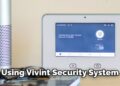
Vivint smart security systems are comprehensive security solutions designed to protect homes and provide peace of mind to homeowners. These systems integrate various devices and technologies to create a secure and connected environment.
Basic Components of a Vivint System
- Door and window sensors
- Motion detectors
- Security cameras
- Smart locks
- Control panel
Installation Process of Vivint Systems
Vivint systems are typically installed by professional technicians who assess the layout of the home and strategically place sensors and cameras in key locations. The control panel is set up to manage the system, and homeowners are instructed on how to use the system effectively.
Key Features and Benefits of Vivint Systems
- 24/7 professional monitoring for immediate response to security threats
- Remote access and control of the system through a mobile app
- Integration with smart home devices for a seamless and connected experience
- Customizable settings and alerts for personalized security preferences
Smart Security Planning
Before setting up a smart security system in your home, it is crucial to assess your specific security needs. Understanding what areas of your home require extra protection will help you create an effective security plan.
Assessing Your Home Security Needs
When planning your smart security system, consider factors such as the layout of your home, the number of entry points, and any previous security incidents. Assessing these needs will help you determine the type of security devices and features you require.
Tailoring Your Security Plan
Creating a security plan tailored to your specific requirements is essential for maximizing the effectiveness of your smart security system. Consider factors such as your daily routine, family members, and valuable possessions when customizing your security strategy.
Identifying Vulnerable Areas
Identifying vulnerable areas in your home is crucial for implementing additional security measures where needed. Areas such as ground-level windows, back doors, and blind spots in your home should be given extra attention to ensure comprehensive security coverage.
Deterrents Against Vivint Systems
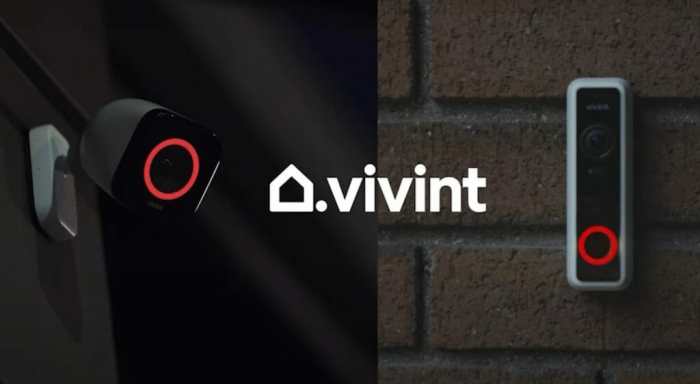
When it comes to deterring potential intruders from targeting homes with Vivint systems, visible security measures play a crucial role. These measures not only act as a deterrent to burglars but also provide a sense of security for homeowners. Additionally, the smart security features integrated into Vivint systems play a significant role in deterring unauthorized access, making it harder for intruders to breach the home’s security.
Visible Security Measures
Visible security measures, such as security cameras, motion sensor lights, and alarm systems, can act as strong deterrents against potential intruders. These visible signs of security indicate that the home is protected and monitored, making it less appealing for burglars to attempt a break-in.
Smart Security Features
The smart security features offered by Vivint systems, such as remote access control, real-time alerts, and smart locks, enhance the overall security of a home. These features not only make it easier for homeowners to monitor their property but also make it more challenging for unauthorized individuals to gain access.
The advanced technology used in these systems acts as a deterrent by increasing the difficulty level for potential intruders.
Enhancing Security Measures
When it comes to enhancing security measures in conjunction with Vivint systems, it’s essential to consider additional layers of protection to create a more robust defense against potential intruders. By integrating smart security technologies and implementing a layered security approach, you can significantly improve the overall security of your property.
Integration of Smart Security Technologies
- Install smart cameras with features like motion detection, night vision, and two-way audio to monitor your property effectively.
- Utilize smart doorbells with cameras and intercom systems to screen visitors and deter unwanted individuals from entering your premises.
- Implement smart locks that can be remotely controlled and monitored through a mobile app, adding an extra layer of security to your doors.
Layered Security Approach
Creating a layered security approach involves combining different security measures to reinforce the overall protection of your property. This multi-faceted strategy can significantly deter intruders and enhance the effectiveness of your security system.
- Start with perimeter security measures such as outdoor lighting, fences, and motion-activated sensors to detect any unauthorized entry into your property.
- Enhance access control with features like keypad entry systems, key fobs, or biometric scanners to restrict access to specific areas of your property.
- Utilize security alarms and sirens that can alert you and scare off intruders in the event of a security breach.
- Consider incorporating security patrols or neighborhood watch programs to add an extra layer of human surveillance to your security setup.
Epilogue
In conclusion, mastering the art of deterring Vivint systems with smart security planning is not just about protection; it’s about peace of mind and safeguarding what matters most.
FAQ
What are some key features of a Vivint smart security system?
Key features include doorbell cameras, smart locks, and 24/7 monitoring services.
How can I assess my home security needs before planning?
Start by evaluating your property size, entry points, and potential vulnerabilities to determine your security requirements.
What role do smart security features play in deterring unauthorized access?
Smart security features like motion sensors and alarms act as proactive measures to scare off intruders and prevent unauthorized access.